The Foundation of Nourishment
What we eat provides the raw materials our bodies use for countless processes. From energy production to cellular renewal, nutrition forms the foundation of our physical well-being.
Rather than viewing food through a restrictive lens, consider it as nourishment that can support everyday wellness and balanced routines.
Whole Foods and Natural Nutrients
Foods in their natural state often contain a complex array of nutrients that work together synergistically. When we choose whole, minimally processed options, we provide our bodies with:
- Essential vitamins and minerals in bioavailable forms
- Fiber that supports digestive function
- Phytonutrients with various supportive properties
- Natural balance of macronutrients
Colorful Variety
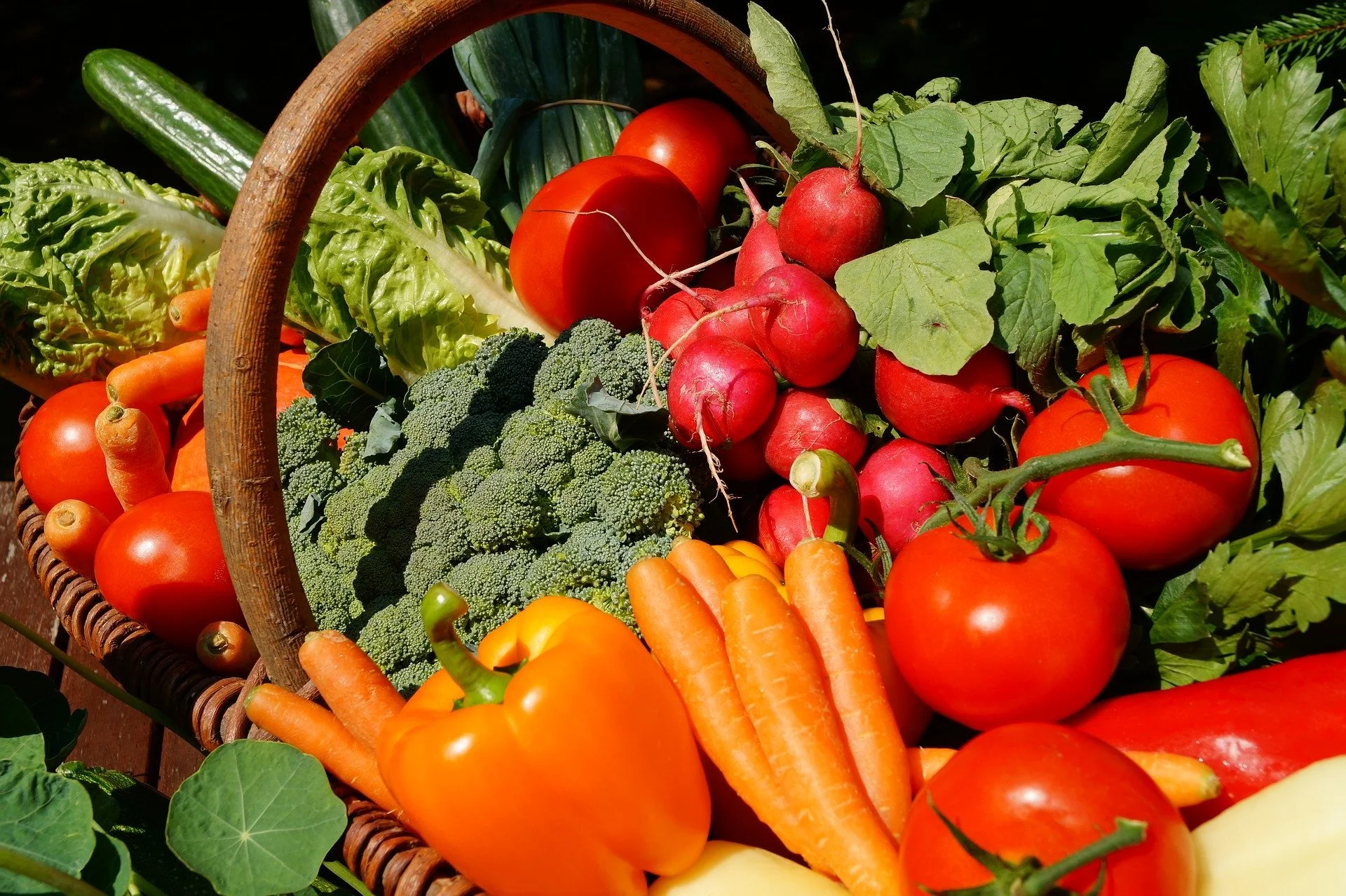
Different colored fruits and vegetables contain different beneficial compounds. By eating a rainbow of plant foods, you naturally diversify your nutrient intake and support various body systems.
Mindful Eating Practices
How we eat can be as important as what we eat. Rushing through meals or eating while distracted can affect digestion and our relationship with food.
Creating Space for Meals
Taking time to sit down, appreciate your food, and eat without distractions allows your body to properly signal hunger and fullness. This natural regulation supports balanced eating patterns over time.
Listening to Your Body
Your body often communicates what it needs. Learning to distinguish between true hunger and other signals—such as stress or boredom—helps develop a more intuitive approach to nourishment.
Supportive Eating Patterns
While individual needs vary, certain general patterns tend to support natural balance:
- Regular meal timing to support natural body rhythms
- Adequate hydration throughout the day
- Balance of protein, fats, and carbohydrates
- Emphasis on whole, unprocessed foods
- Moderate portion sizes
Adapting to Your Needs
There is no one-size-fits-all approach to nutrition. Factors like activity level, age, climate, and individual constitution all influence what eating patterns best support your well-being.